


How Should a Winter Coat Fit? Room for You and Your Day
Mia Melon on Oct 10th 2024
Choosing a fitted winter coat
Choose the silhouette before changing the size. If you want a puffer with waist definition, start with Esme, our down puffer with tonal waist ties. For a quilted jacket to compare with your everyday layers, explore Ayla. Both product pages include garment measurements; use the measuring notes to compare with a jacket you already like wearing.
If your main need is a softer A-line rain jacket with microfleece lining, compare Stella. It serves a different purpose from a winter puffer. Match the coat to your weather and planned layers, then use the fit checks in this guide. A fitted look should still let you close the front, reach forward and sit comfortably.

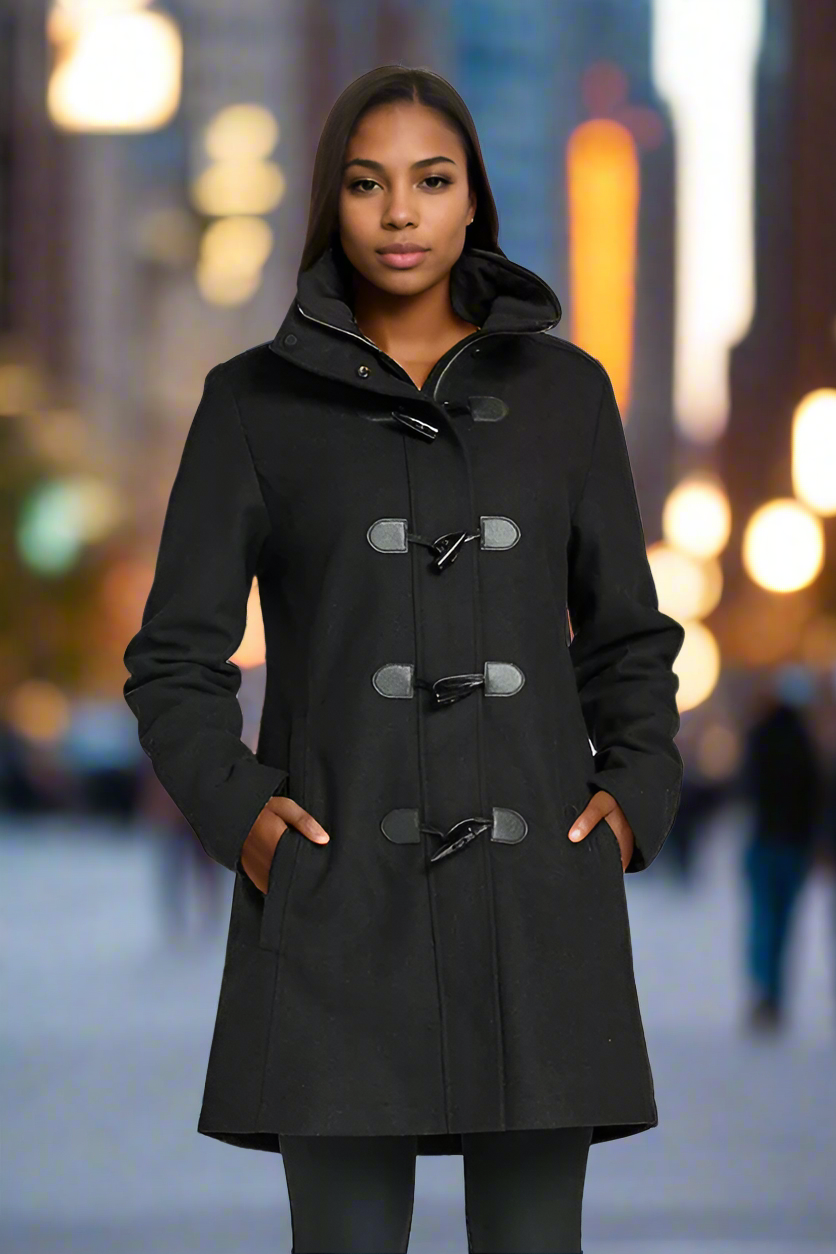
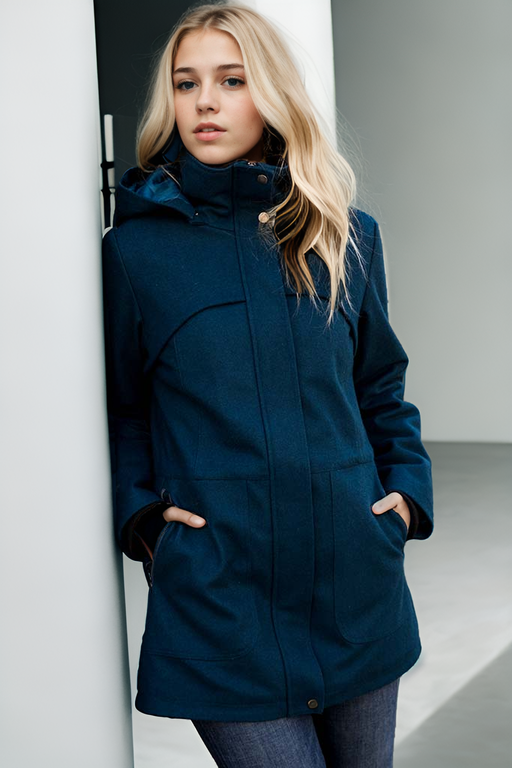
A winter coat should feel right when you step out of the fitting room and when you reach for your keys with a sweater underneath. The shape matters. So does the room to live inside it.
Use these seven checks to find a fit that feels like yours. Have your usual winter layers nearby, a tape measure if you are shopping online, and a few ordinary movements in mind.
1. Begin with the layer you actually wear
Try the coat over your regular winter knit or the layers you wear most often. A coat that closes over a thin tee may feel quite different over a sweater. Choose for your ordinary day rather than an imagined need for every layer you own.
2. Give your shoulders room to move
Bring your arms forward as if you were reaching for the steering wheel, then give yourself a loose hug. Notice pulling through the back, tightness beneath the arms, or sleeves that resist the movement.
Shoulder-seam placement depends on the design. A dropped shoulder may be intentional. Judge how the coat is meant to sit, as well as how it feels.
3. Close the front comfortably
Fasten the coat and take a full breath. Check for strain at the chest, waist, and hips. An insulated coat needs enough room for its filling and your layers without feeling tightly compressed.
If you are comfortable through the shoulders but the front pulls, another cut may suit you better than simply choosing a larger size.
4. Check sleeves and coverage in motion
Reach forward, lift your arms, and sit down. Look at where the cuffs finish and whether the hem still gives you the coverage you want. A shorter jacket and a longer winter coat have different jobs; choose the length deliberately.
Movement that exposes more skin than you want can be a sign to reconsider the cut or length, not automatically the size.
5. Recognize when there is too much room
Some ease is useful. Excess fabric that gathers awkwardly, sleeves that cover your hands, or a collar that sits far from your neck may mean the coat is too large for the look and coverage you want. Check again with your usual sweater on.
Oversized designs are a separate choice. You can enjoy a generous silhouette while still expecting comfortable sleeves, a usable hood, and freedom of movement.
6. Use measurements before sizing up
Measure chest, waist, and hips and compare them with the size guide. Body measurements and finished-jacket measurements describe different things. The garment needs additional room for its intended fit.
Our Esme and Ayla pages include finished-jacket measurements to help you compare. Follow the measuring notes; a flat half-chest measurement needs different interpretation from a full circumference.
7. Make sure you like wearing it
Turn the collar up. Try the hood. Walk, sit, and look at the coat both open and closed. You should recognize yourself in it and feel comfortable keeping it on.
If you are between sizes or comparing styles, ask us. Tell us your measurements, the coat you are considering, and how you want to layer it. We will help you think through the fit.