


Is Wool Waterproof? Water-Repellent Facts for Coats & Rain
Mia Melon on Oct 21st 2024
Short answer: Untreated wool is water-repellent, not fully waterproof. It sheds light rain thanks to natural lanolin, can hold a lot of moisture without feeling soaked, and still insulates when damp. For real storms, look for wool outerwear with a waterproof membrane, DWR finish, and thoughtful construction.
If you landed here searching “is wool waterproof,” “can you wear wool in the rain,” or “are wool coats waterproof,” this guide covers the science, the ratings, and what actually works on wet winter days.
Waterproof vs water-repellent vs water-resistant
These terms get mixed up a lot:
- Waterproof — water should not pass through the fabric under normal rain or snow. Look for a membrane rating (often listed in mm) and sealed or well-protected seams.
- Water-repellent — water beads and rolls off for a while. Great for drizzle and short exposure; can wet out in a long downpour.
- Water-resistant — light splash protection only. Fine for mist, not a storm.
Natural wool sits mainly in the water-repellent camp until you add membrane tech and DWR.
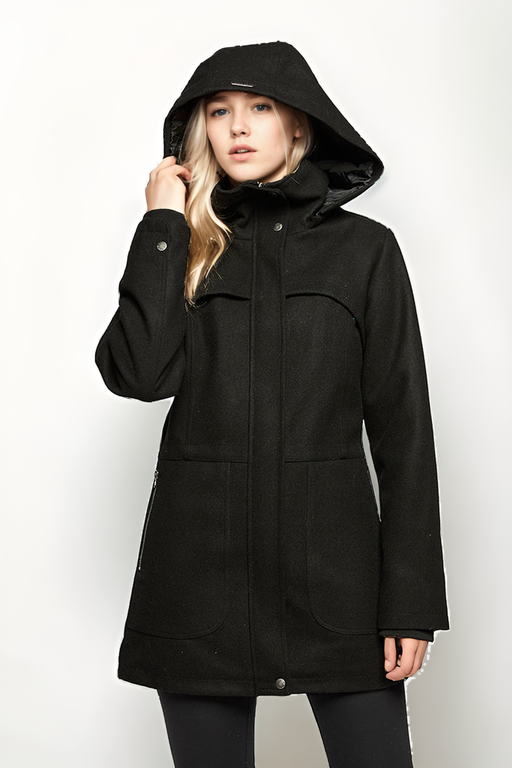
Is wool waterproof?
Sheep produce lanolin, a waxy coating on the fiber. That coating is why raw wool sheds water. After spinning and finishing, many wool fabrics keep some of that hydrophobic behavior, so light rain beads instead of soaking straight through.
Lanolin wears down with wear and cleaning. So an untreated wool coat is a smart choice for cool damp air and brief showers, not a substitute for a fully waterproof shell in a multi-hour storm.
Does wool repel water? Can wool get wet and still keep you warm?
Yes on both counts, with limits.
Wool fibers can take on a large share of their weight in moisture while the surface still feels relatively dry. Moisture binds into the fiber structure and can release a small amount of heat as it does. That is why a damp wool sweater often feels less clammy than a damp cotton one.
Once the fabric is truly saturated, weight goes up, drying takes longer, and you lose comfort. Heavy rain without a membrane will eventually win.

Can wool be made waterproof?
Yes. Brands combine wool or wool blends with:
- DWR (durable water repellent) finish so rain beads on the face fabric
- Waterproof / windproof / thermal membranes bonded behind the shell
- Better seam and zipper design so water has fewer easy entry points
- Insulating liners (microfleece, quilted fill) for cold wet days
That is how a tailored wool coat can look like city outerwear and still behave closer to technical rain gear.
How waterproofing is measured
Many jackets list a hydrostatic head rating in millimeters. Higher numbers generally mean more resistance to water pressure.
| Rating | Typical use |
|---|---|
| Under 5,000 mm | Light drizzle only |
| About 5,000–10,000 mm | Everyday rain and wet commutes |
| 11,000–15,000 mm | Steady rain |
| 16,000 mm and up | Heavy, prolonged wet weather |
Rating is only part of the story. Fit, hood design, closures, and how you wear the coat matter just as much on a real sidewalk in January.
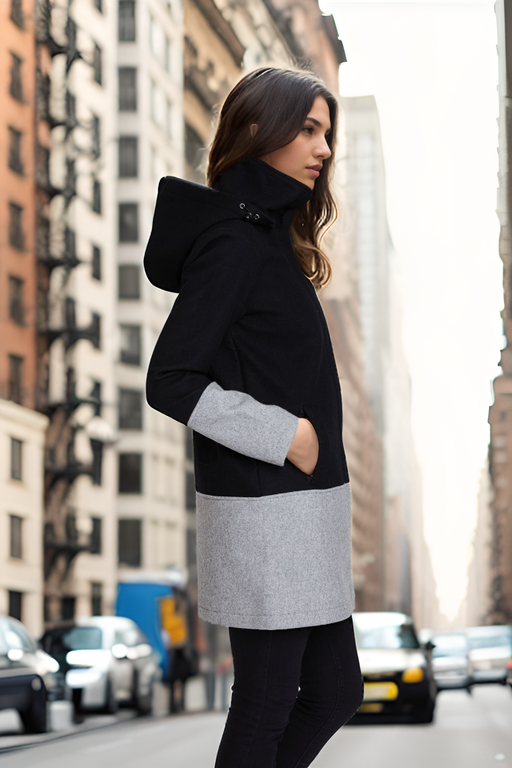
Can you wear a wool coat in the rain?
Light to moderate rain: Yes, especially if the coat has DWR and a membrane. You stay warmer and look more polished than in a bulk puffer.
All-day downpour or wind-driven rain: Choose a wool coat built as waterproof outerwear, or wear a waterproof shell over a wool midlayer.
Mia Melon wool styles such as the Lexi waterproof wool coat, Kendra waterproof wool coat, and Hailey insulated coat pair wool-blend shells with weatherproof construction for cold wet cities, not just dry cold.

Shop Lexi waterproof wool coat

Shop Kendra waterproof wool coat
Care tips so wool keeps performing
- Air dry thoroughly after wet days so odor and mildew stay away
- Refresh DWR when water stops beading (follow the product care label)
- Wash sparingly with wool-safe detergent; avoid high heat
- Store clean, dry, and protected from moths in the off-season
Bottom line
Wool is not magic armor against every storm on its own. It is an excellent natural fiber for damp cold, and with modern waterproof membranes and DWR it becomes a serious winter outerwear fabric.
Shopping for rain-ready wool? Start with Mia Melon winter coats built for wet weather, not just dry freeze.